
Uncovering the hidden histories of standards and measurement
Our
measured
lives
Whether we notice it or not, our lives are shaped and governed by measurements and standards. Weights, wages, exam results, maps, algorithms and the ways they are calculated all influence our daily lives. We often take these systems for granted. A common assumption is that standards are neutral and objective and universally applicable. This assumption obscures a series of important questions:
Why do we need standards?
Who decides what counts as a standard?
Who benefits from this?
What happens when different ways of measuring the world come into contact with each other?
Colonial Standards is a collaborative research project that investigates how measurements shape everyday life. Working with histories of measurement and standardisation in India and the United Kingdom, it uses archives, museum collections and community-based research to explore how measurement systems became powerful tools of administration, exchange, knowledge-making, and control.
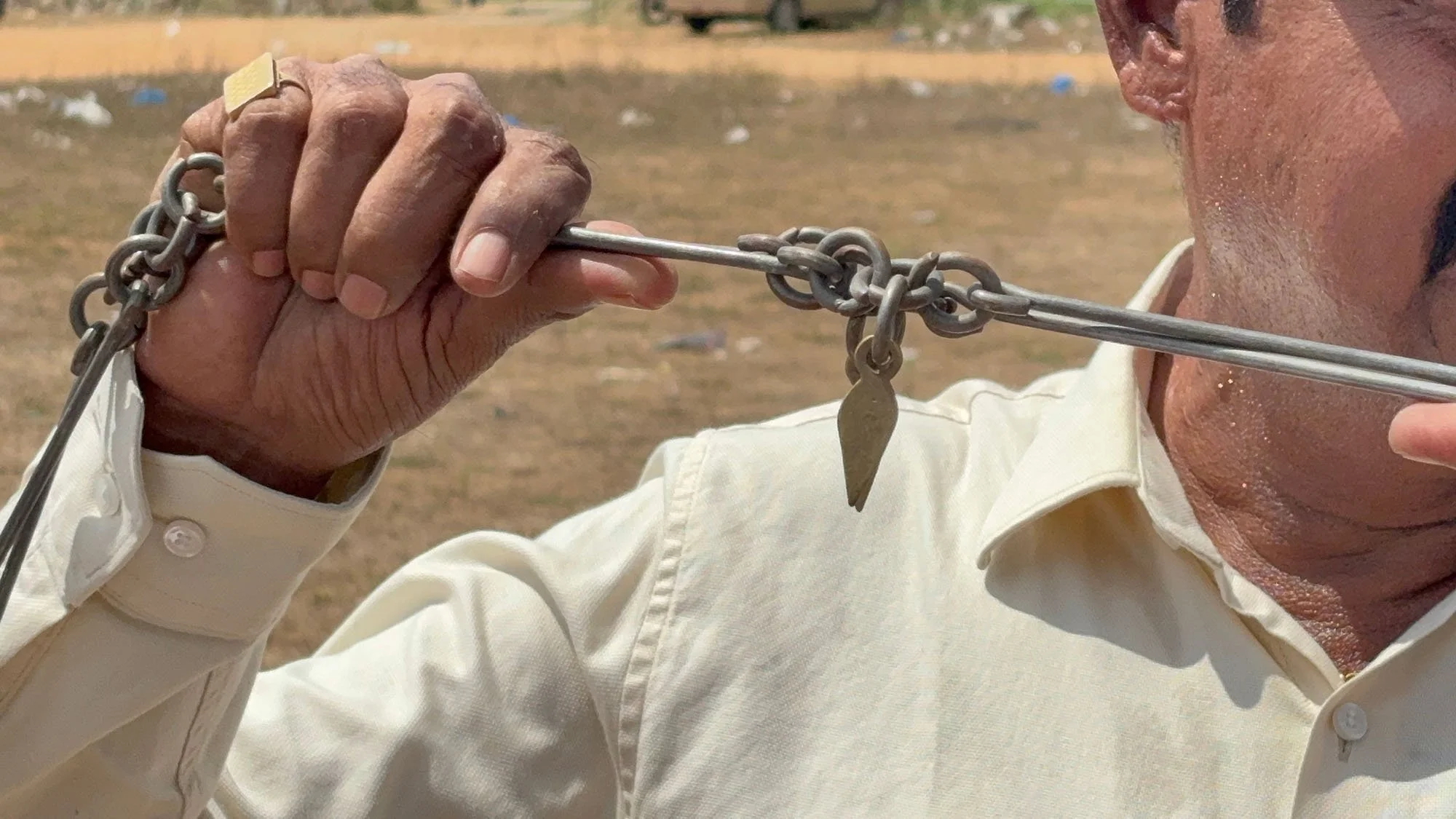
Drawing on case studies from surveying, agriculture, fisheries and scientific instruments the project brings together researchers with community partners, artisans and practitioners to examine how measurements and standards work in practice.
Standards are more than technical tools. They embody social and political histories that are not always visible but can leave lasting legacies. Standards require trust and depend on authority, expertise and widespread engagement. They can create opportunities, act as bridges and translators, make communication possible across time and space. At the same time, they can reinforce existing inequalities and create new ones.
Official archives often preserve the top-down history of standards. By bringing together collections, objects, people and practices Colonial Standards seeks to recover the everyday experiences, negotiations and forms of knowledge that shaped measurement in practice. In doing so, the project offers new perspectives on how standards have shaped the past and why they continue to matter today.
Project statement
Studying Standards from the Ground Up
This project combines archives, museum collections, histories and community research to investigate how standards work in practice. By bringing together objects, historical records and practical knowledge, we explore how measurement is shaped not only by states and institutions, but also by the people who use, adapt and challenge it in everyday life.
Featured Object
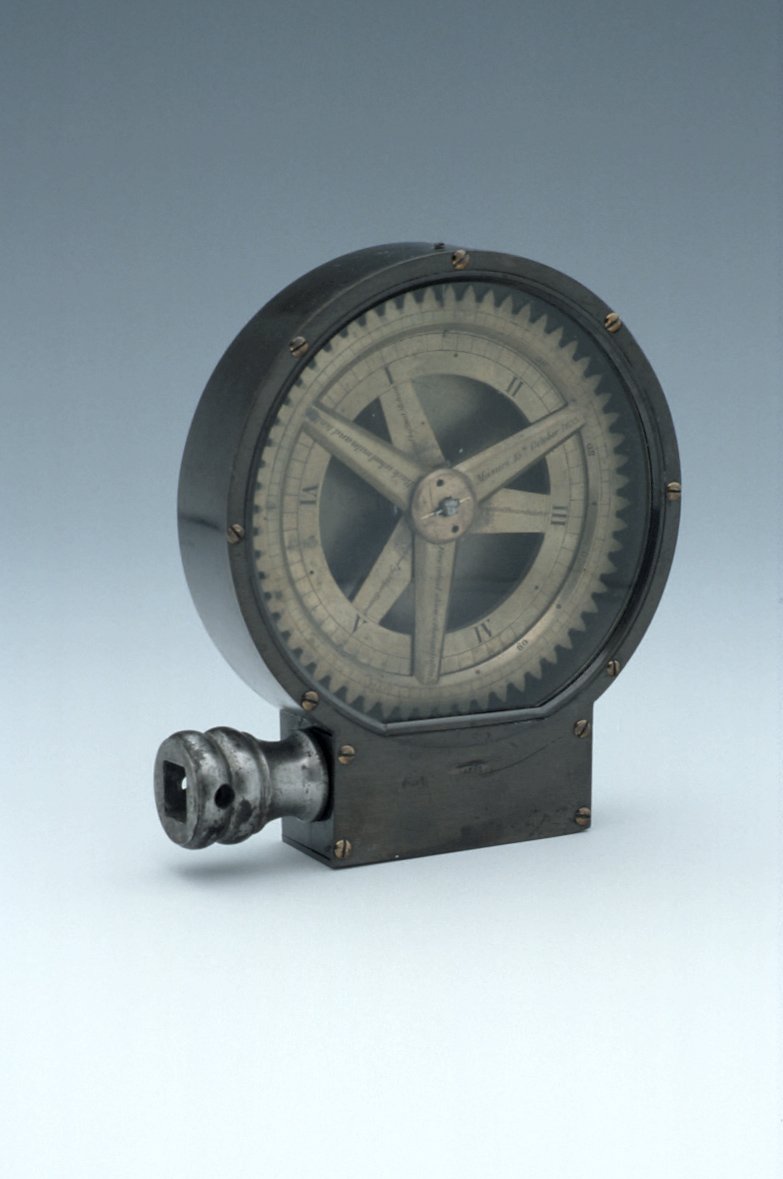
This is a dial of a ‘waywiser’, an instrument used to measure distance between two fixed points. The dial was designed by Colonel George Everest in 1833 for the Great Trigonometrical Survey of India and executed by an artisan from Arcot (near Madras) and the Mathematical Instrument Maker of the survey, Seid Mir Mohsin Hussain. The making and use of this object offers a window into the skill and labour that made this grand survey possible.
HSM Inventory number: 42112
Primary inscriptions: "Differential Perambulator / Designed by Major Everest / Executed by Seid Mohsin / Masuri 15th October 1833". Also inscribed: "Fore wheel shows thousandths / Back wheel miles and tenths".
Workshop Updates
You can find more information about the project’s community research workshops (including how to register your interest) on the History of Science Museum website.
A Living Project
This website is being developed alongside the research project itself. Rather than presenting only final results, we are using it as a space to share research as it unfolds.
Over the coming months new objects, blog posts, workshop reflections, research stories, publications and digital exhibition content will be added as the project develops. As a result, some sections are still being built and will continue to grow throughout July, August and September 2026.
We hope this approach offers a different way of engaging with research as an ongoing process of discovery, collaboration and conversation. We invite you to return regularly to follow the project's progress and to explore new content as it is added.
Supported by: