
Methodology
What are we doing and what does this allow us to see
Studying Standards from the Ground Up
Standards are often studied through governments, institutions, legislation and systems of administration. Histories of measurement therefore tend to focus on how standards are designed, implemented and enforced from above. Yet standards are also lived, negotiated and experienced in everyday life. They shape how land is measured, wages calculated, goods exchanged, taxes levied and knowledge produced.
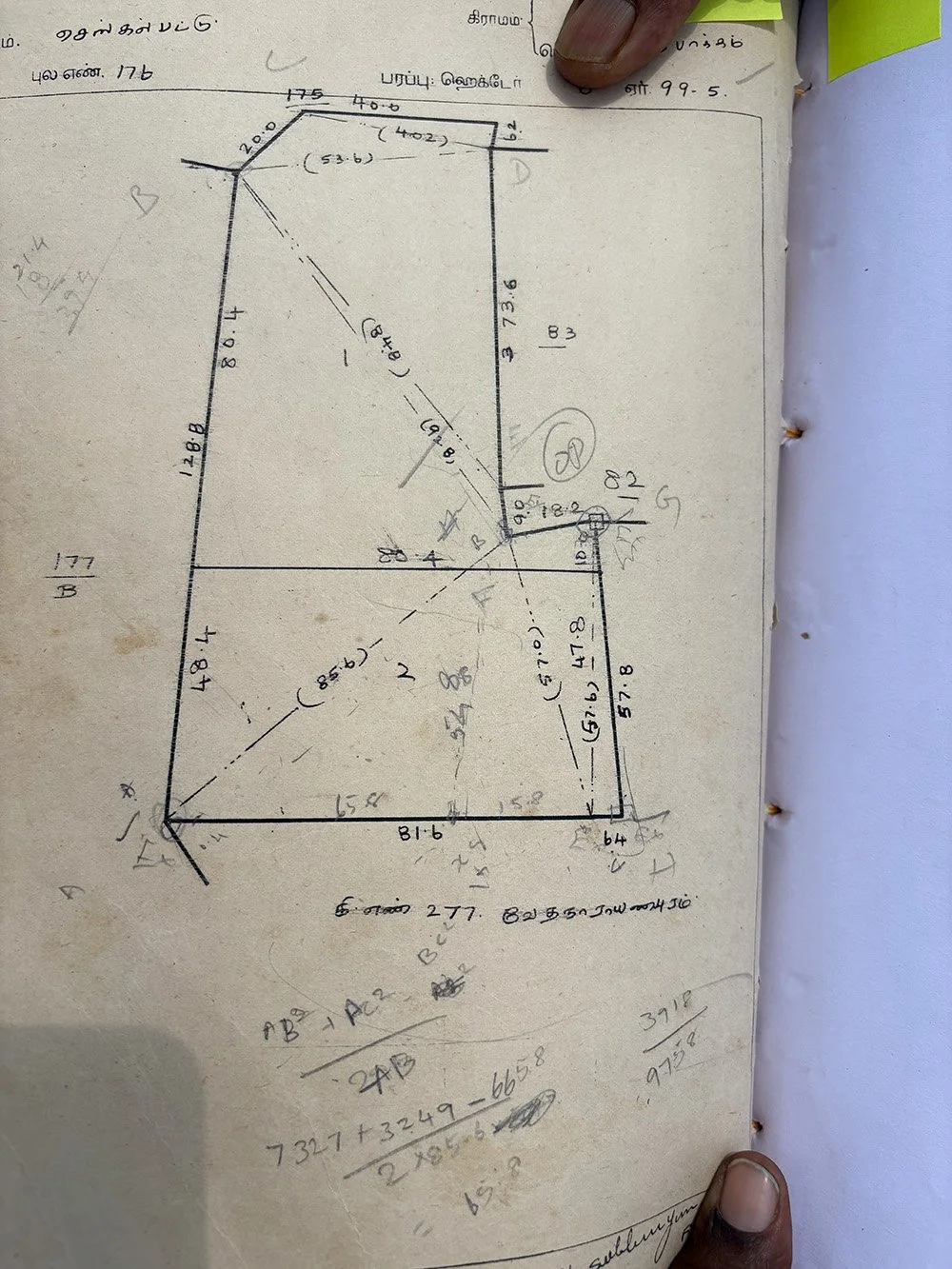
This project begins from the observation that standards leave material traces. They become embedded in objects, instruments, documents, practices and landscapes. By following these traces, we can move beyond official accounts of standardisation and examine how standards were adapted, resisted, interpreted and put to work by the people who encountered them.
Rather than treating measurement as a purely technical process, we approach it as a social practice that connects questions of authority, justice, labour and everyday experience.
This approach draws inspiration from work in science and technology studies, material culture studies and social histories of quantification, particularly the work of Theodore Porter, Lorraine Daston, Peter Galison and scholars who have examined how standards acquire authority through social and historical processes.
Object-Led Research
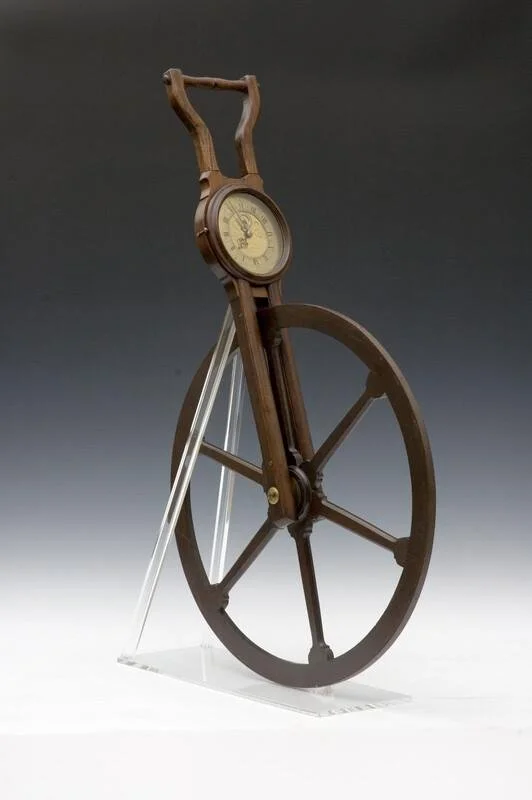
Objects are often treated as illustrations of historical narratives. In this project, they are sources in their own right. We begin with instruments, weights, measures and other material traces of standardisation and ask what they can reveal about the people who made, used, repaired, exchanged and encountered them.
Working with objects allows us to investigate histories that are often difficult to recover through archives alone. Signs of wear, repair, adaptation and reuse can reveal practices and relationships that rarely appear in official records. Collections also allow us to connect local histories to wider networks of trade, administration, scientific practice and colonial governance.
Object-led research has played an important role within the history of science and material culture studies, where scholars such as Samuel Alberti, Simon Schaffer and others have demonstrated how objects shape knowledge as well as record it. For Colonial Standards, objects provide an entry point into the social histories of measurement and standardisation and help us understand how abstract systems become part of everyday life.
Participatory Research, Provenance and Digital Collaboration
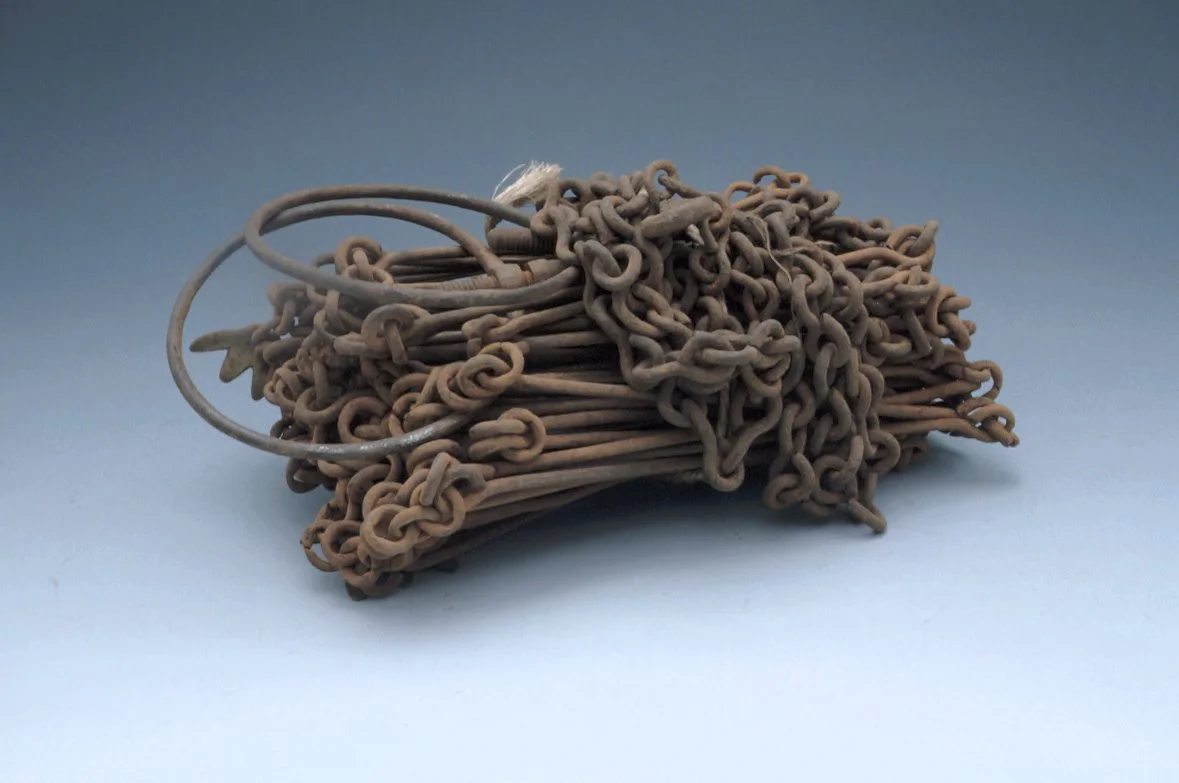
Many history of science collections have traditionally focused on exceptional histories: major discoveries, celebrated inventors, scientific breakthroughs and technological firsts. Colonial Standards is interested in a different set of questions. Because we are studying the everyday histories of measurement, labour and standardisation, it is essential that the people whose lives, work and expertise connect to these histories are part of the research process itself.
Participatory approaches allow us to bring together collections, community knowledge, oral histories and practical expertise. They help us identify histories that may not be visible in museum catalogues or archival records and create opportunities for dialogue between researchers, practitioners and communities in India and the United Kingdom.
This commitment to participation sits alongside our work on provenance research. In recent years, provenance has become a central concern within museums across Europe, particularly in relation to questions of colonial collecting, ownership, accountability and restitution. While these debates often focus on how objects entered museum collections, provenance research can also reveal the social worlds through which objects moved and the individuals whose stories became attached to them. Building on ongoing work at the History of Science Museum, the project uses provenance research to explore the histories of ownership, use and authority embedded within measurement objects.
Digital collaboration forms a third strand of our methodology. Building on previous work exploring collaborative digital heritage practices, we use digital tools not simply to document collections but to connect people, places, objects and knowledge systems across geographical boundaries. Through the project's developing digital archive and atlas, we are experimenting with ways of creating shared spaces for research, interpretation and exchange that allow multiple perspectives and histories to remain visible.
Readings:
Standards and quantification
Theodore M. Porter, Trust in Numbers: The Pursuit of Objectivity in Science and Public Life. Princeton University Press, 2020.
Alain Desrosières, The Politics of Large Numbers : A History of Statistical Reasoning. Harvard University Press, 1998.
Lorraine Daston and Peter Galison, Objectivity, Zone Books, 2011.
Provenance
Milosch, Jane, and Nick Pearce, editors. Collecting and Provenance : A Multidisciplinary Approach. Rowman & Littlefield, 2019.
Object-led Research
Samuel J. M. M. Alberti, ‘Objects and the Museum’, Isis, vol. 96, no. 4, December 2005, pp. 559–71.
L. J. Jordanova, The Look of the Past : Visual and Material Evidence in Historical Practice. Cambridge University Press, 2012.
Digital Collaboration
Niala, JC, and Juma Ondeng. “Developing Digital Research Methodologies for Kenyan Collections Held in UK Museums.” Third Text [ABINGDON], vol. 38, nos. 4–5, September 2024, pp. 404–22.

Participatory/ Community Methodologies
Nina Simon, The Participatory Museum. Museum 2.0, 2011.
Bonaventure Soh Bejeng Ndikung, Pidginization as Curatorial Method : Messing with Languages and Praxes. Sternberg Press, 2023.
Bunning, Katy, et al. ‘Embedding Plurality: Exploring Participatory Practice in the Development of a New Permanent Gallery’, Science Museum Group Journal, vol. 3, no. 3, January 2023.